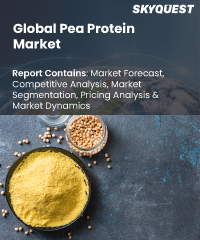
Pea Protein Market
Report ID: SQMIG30I2259
Report ID: SQMIG30I2259
[email protected]
USA +1 351-333-4748
Report ID:
SQMIG30I2259 |
Region:
Global |
Published Date: August, 2025
Pages:
195
|Tables:
95
|Figures:
76


Global Pea Protein Market Size was valued at USD 1047.36 Million in 2024 and is poised to grow from USD 1142.67 Million in 2025 to USD 2293.61 Million by 2033, growing at a CAGR of 9.1% during the forecast period (2026–2033).
Growing demand for plant proteins, rising popularity of sports nutrition, expansion of vegan population, high emphasis on sustainability, and growing incidence of food allergies and lactose intolerance are supporting pea protein sales.
The growing shift toward plant-based diets, driven by health, sustainability, and ethical concerns, is a major factor boosting pea protein market growth. The sports nutrition industry significantly fuels pea protein demand as athletes and fitness enthusiasts seek high-quality, plant-based protein supplements. Increasing consumer interest in ethical and cruelty-free products that align with sustainability mandates is also predicted to bolster the consumption of pea protein. Increasing cases of food allergies and lactose intolerance are fueling demand for pea protein as a safe alternative. Increasing use of pea protein to develop high-protein snacks, beverages, bakery goods, and supplements is also creating new opportunities.
On the contrary, high costs of production and processing, limited consumer awareness, competition from alternative protein sources, and taste & texture limitations are anticipated to slow down pea protein market penetration across the study period and beyond.
Market snapshot - 2026-2033
Global Market Size
USD 960.0 million
Largest Segment
Dry
Fastest Growth
Wet
Growth Rate
9.1% CAGR
To get more insights on this market click here to Request a Free Sample Report
Global pea protein market is segmented by product, source, form, application, and region. Based on product, the market is segmented into hydrolysates, textured, concentrates, and isolates. Based on source, the market is segmented into others and yellow split peas. Based on form, the market is segmented into wet and dry. Based on application, the market is segmented into animal feed, personal care & cosmetics, food & beverages, meat substitutes, bakery goods, dietary supplements, beverages, and others. Based on region, the market is segmented into North America, Europe, Asia Pacific, Latin America, and Middle East & Africa.
Pea Protein in Which Form is Highly Popular?
The dry segment is slated to spearhead the global pea protein market revenue generation potential in the future. Easy storage, high stability, and ease of transportation are some key benefits promoting the dominance of this segment going forward. Dry pea protein is extensively used in products such as protein powders, snack bars, and meal replacements.
Meanwhile, the demand for wet pea protein is slated to rise at a robust pace over the coming years. Growing demand for plant-based protein alternatives among food manufacturers and high convenience of wet pea protein allows it be incorporated directly in mass products of food products, thereby creating new business scope.
Where is Demand for Pea Protein Highest?
The food & beverage segment is forecasted to hold a major chunk of the global pea protein market share going forward. Rising demand for functional food and beverages coupled with a massive increase in popularity of veganism are helping cement the dominance of this segment. High versatility and growing awareness regarding nutritional benefits of pea protein are helping further boost revenue generation for pea protein providers via this segment.
On the other hand, the demand for pea protein in personal care and cosmetics is slated to rise at an impressive CAGR as per this pea protein industry analysis. High consumer preference for vegan and cruelty-free personal care is slated to expand the business scope of pea protein companies in the long run.
To get detailed segments analysis, Request a Free Sample Report
Why North America Leads Pea protein Consumption on a Global Level?
Strong consumer appetite for plant-based diets, functional foods, and sports nutrition positions North America as a leader in global pea protein consumption. Widespread adoption of vegan and flexitarian lifestyles in the region coupled with rising lactose intolerance are also estimated to ensure sustained demand for pea protein through 2032. Strong regulatory support for plant-based innovations and a mature consumer base is helping cement the dominance of this region in the long run.
Pea Protein Market in United States
High investments in alternative protein innovation supported by companies like Beyond Meat and Ripple Foods help the United States lead pea protein demand. Growing prevalence of lactose intolerance and soy allergies are also expected to bolster the adoption of pea protein in food and beverages going forward. Robust R&D spending, advanced manufacturing infrastructure, and extensive retail distribution are also helping this country emerge as a global leader in terms of pea protein demand and consumption.
Pea Protein Market in Canada
The country’s position as one of the largest pea producers on a global level makes it a top market for pea protein companies. Saskatchewan’s yellow peas provide a strong raw material base, reducing production costs and ensuring supply chain stability. Rising adoption of plant-based lifestyles, high investments in food R&D, and expansion of domestic processing capabilities are also helping create new demand for pea protein across Canada in the future.
Is Asia Pacific a Rewarding Market for Pea Protein Suppliers?
Rapid urbanization, dietary diversification, and rising health consciousness are forecasted to make Asia Pacific the most opportune region for pea protein vendors in the future. E-commerce platforms make international pea protein products more accessible, while local companies develop cost-effective formulations. High adoption of protein-rich diets, expansion of vegan populations, and rising disposable income are also slated to play a crucial role in governing the sales of pea protein over the coming years.
Pea Protein Market in Japan
Growing health consciousness, urbanization, and the popularity of functional foods are supplementing the demand for pea protein in Japan. Japanese consumers value high-quality, clean-label, and innovative formulations, pushing manufacturers to incorporate high-quality pea protein products. The country’s emphasis on technological innovation ensures advanced product development, positioning the country as a significant Asian hub for premium pea protein applications.
Pea Protein Market in South Korea
Rapid adoption of plant-based diets among health-conscious youth and the influence of K-pop culture promoting wellness lifestyles are boosting the demand for pea protein in South Korea. Domestic companies and startups are introducing innovative plant-based product lines using pea protein and other plant-based ingredients. With government encouragement of sustainable food alternatives and rising vegan trends, South Korea is expected to become one of Asia’s fastest-growing pea protein markets in coming years.
Can Pea protein Providers Make Profits in Europe?
High consumer focus on sustainability, clean-label products, and ethical eating are making Europe a highly attractive market for pea protein companies going forward. Growing consumption of dairy and meat alternatives in the region is also predicted to bolster the sales of pea protein. The EU’s emphasis on reducing carbon footprints aligns well with sustainable protein crops such as peas. Robust increase in vegan and flexitarian populations help ensure continual demand for protein alternatives such as pea protein in Europe.
Pea Protein Market in Germany
Prioritization of sustainability, clean-label nutrition, and eco-friendly sourcing by German consumers positions this country as a highly advanced market for pea protein companies. Germany hosts several processing facilities and R&D centers driving innovations in taste and texture improvements. High emphasis of retail giants and foodservice providers on expansion of their plant-based offerings is also driving up the demand for pea protein.
Pea Protein Market in United Kingdom
The presence of a large vegan and flexitarian population makes the country a highly rewarding market for pea protein providers in Europe. Rising lactose intolerance and clean-label preferences of consumers in urban city centers such as London are also promoting pea protein sales. The UK food industry emphasizes innovation, with startups and multinational companies actively developing pea protein formulations. Increasing cultural acceptance of plant-based lifestyles in the United Kingdom make it a key market in the long run.
Pea Protein Market in France
Strong consumer interest in ethical, sustainable, and plant-based diets is primarily supporting the demand for pea protein in France. Heavy investments in domestic pea production and processing also help the country reduce their reliance on pea protein imports. Pea protein-based products with improved taste and texture are expected to be highly prized among French consumers focused on their rich culinary heritage. The government’s emphasis on sustainability and health policies are also creating new business scope.
To know more about the market opportunities by region and country, click here to
Buy The Complete Report
Pea Protein Market Drivers
Rising Emphasis on Sustainability and Environmental Benefits
Versatility in Food and Beverage Applications
Pea Protein Market Restraints
Taste and Texture Limitations
Competition from Alternative Protein Sources
Request Free Customization of this report to help us to meet your business objectives.
Pea protein manufacturers are expected to focus on adoption of advanced processing technologies to reduce production costs. Collaboration with functional food and beverage manufacturers is helping expand business scope for market players. Targeting countries with high vegan populations is a key strategy for companies as per this pea protein market analysis.
Offering sustainable pea protein remains the top priority of all new companies. Here’s a startup that could change the trajectory of pea protein consumption in the long run.
Top Player’s Company Profile
Recent Developments in Pea Protein Market
SkyQuest’s ABIRAW (Advanced Business Intelligence, Research & Analysis Wing) is our Business Information Services team that Collects, Collates, Correlates, and Analyses the Data collected by means of Primary Exploratory Research backed by robust Secondary Desk research.
As per SkyQuest analysis, growing vegan population and advancements in pea protein processing technologies are slated to primarily drive the demand for pea protein going forward. However, high costs of production and competition from alternative protein sources are expected to slow down the consumption of pea protein in the future. North America is forecasted to emerge as the leading market for pea protein providers owing to high consumer demand for health and wellness products and presence of top alternative protein companies. Innovation in clean-label product development and expansion into dairy alternatives are key trends driving the pea protein sector in the long run.
| Report Metric | Details |
|---|---|
| Market size value in 2024 | USD 1047.36 Million |
| Market size value in 2033 | USD 2293.61 Million |
| Growth Rate | 9.1% |
| Base year | 2024 |
| Forecast period | 2026-2033 |
| Forecast Unit (Value) | USD Million |
| Segments covered |
|
| Regions covered | North America (US, Canada), Europe (Germany, France, United Kingdom, Italy, Spain, Rest of Europe), Asia Pacific (China, India, Japan, Rest of Asia-Pacific), Latin America (Brazil, Rest of Latin America), Middle East & Africa (South Africa, GCC Countries, Rest of MEA) |
| Companies covered |
|
| Customization scope | Free report customization with purchase. Customization includes:-
|
To get a free trial access to our platform which is a one stop solution for all your data requirements for quicker decision making. This platform allows you to compare markets, competitors who are prominent in the market, and mega trends that are influencing the dynamics in the market. Also, get access to detailed SkyQuest exclusive matrix.
Table Of Content
Executive Summary
Market overview
Parent Market Analysis
Market overview
Market size
KEY MARKET INSIGHTS
COVID IMPACT
MARKET DYNAMICS & OUTLOOK
Market Size by Region
KEY COMPANY PROFILES
Methodology
For the Pea Protein Market, our research methodology involved a mixture of primary and secondary data sources. Key steps involved in the research process are listed below:
1. Information Procurement: This stage involved the procurement of Market data or related information via primary and secondary sources. The various secondary sources used included various company websites, annual reports, trade databases, and paid databases such as Hoover's, Bloomberg Business, Factiva, and Avention. Our team did 45 primary interactions Globally which included several stakeholders such as manufacturers, customers, key opinion leaders, etc. Overall, information procurement was one of the most extensive stages in our research process.
2. Information Analysis: This step involved triangulation of data through bottom-up and top-down approaches to estimate and validate the total size and future estimate of the Pea Protein Market.
3. Report Formulation: The final step entailed the placement of data points in appropriate Market spaces in an attempt to deduce viable conclusions.
4. Validation & Publishing: Validation is the most important step in the process. Validation & re-validation via an intricately designed process helped us finalize data points to be used for final calculations. The final Market estimates and forecasts were then aligned and sent to our panel of industry experts for validation of data. Once the validation was done the report was sent to our Quality Assurance team to ensure adherence to style guides, consistency & design.
Analyst Support
Customization Options
With the given market data, our dedicated team of analysts can offer you the following customization options are available for the Pea Protein Market:
Product Analysis: Product matrix, which offers a detailed comparison of the product portfolio of companies.
Regional Analysis: Further analysis of the Pea Protein Market for additional countries.
Competitive Analysis: Detailed analysis and profiling of additional Market players & comparative analysis of competitive products.
Go to Market Strategy: Find the high-growth channels to invest your marketing efforts and increase your customer base.
Innovation Mapping: Identify racial solutions and innovation, connected to deep ecosystems of innovators, start-ups, academics, and strategic partners.
Category Intelligence: Customized intelligence that is relevant to their supply Markets will enable them to make smarter sourcing decisions and improve their category management.
Public Company Transcript Analysis: To improve the investment performance by generating new alpha and making better-informed decisions.
Social Media Listening: To analyze the conversations and trends happening not just around your brand, but around your industry as a whole, and use those insights to make better Marketing decisions.
REQUEST FOR SAMPLE
 REQUEST FREE CUSTOMIZATION


Want to customize this report? This report can be personalized according to your needs. Our analysts and industry experts will work directly with you to understand your requirements and provide you with customized data in a short amount of time. We offer $1000 worth of FREE customization at the time of purchase.
Feedback From Our Clients


 USA (+1) 351-333-4748

