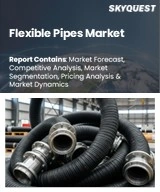
Flexible Pipes Market
Report ID: SQMIG10F2045
Report ID: SQMIG10F2045
[email protected]
USA +1 351-333-4748
Report ID:
SQMIG10F2045 |
Region:
Global |
Published Date: January, 2026
Pages:
174
|Tables:
60
|Figures:
67


Global Flexible Pipes Market size was valued at USD 2.0 billion in 2024 and is poised to grow from USD 2.09 billion in 2025 to USD 3.0 billion by 2033, growing at a CAGR of 4.6% during the forecast period (2026-2033).
A growing demand for durable, corrosion resistant and cost-effective ways to transport fluids is fueling the growth of the flexible pipes market, particularly in the Energy, Industrial and Infrastructure industries.
With a growing interest in using flexible piping systems instead of rigid piping systems, the many advantages offered by flexible piping systems include their ability to support high pressures, dynamic loads, and extreme conditions. The construction of flexible pipes provides the flexibility to be installed in an easy way, which can significantly reduce the time and labour needed for installation and maintenance. Additionally, flexible pipe multilayer (laminated) construction allows for the safe and reliable transport of hydrocarbons and non-hydrocarbon-based fluids in onshore, offshore and subsea applications.
Flexible pipes are directly impacted by market trends such as the continued growth of offshore oil and gas exploration and production, as well as advancements in deepwater exploration technologies and modernization of existing pipelines.
Expanding into new markets that require water management, chemical processing and renewable energy projects also continues to expand the total addressable market for flexible pipe products. Recent advancements in polymer materials used to create flexible pipes, combined with new processes for making multilayer reinforcement layers, and improvements in how flexible pipes are manufactured, are improving the efficiency, fatigue resistance and longevity of flexible pipe products. Additionally, sustainability has become a consideration in adopting flexible pipe technology, with both longer operational lifetimes and less installation impact being primary factors for consideration when making product adoption decisions. As a result, flexible pipe technology continues to evolve to include more enhanced performance characteristics, increased number of potentials uses and compatibility with next generation energy and industrial systems.
How Is AI Transforming Flexible Pipes Market?
The flexible pipes industry experienced a significant shift in 2025, with AI beginning to play an increasingly important role in design optimization, manufacturing efficiency, and asset integrity management. AI-assisted simulations and digital twins were used by pipe manufacturers to create multilayer pipe structures that were designed to improve fatigue resistance and demonstrate superior performance when subjected to dynamic offshore/subsea conditions.
Manufacturers implemented AI-assisted quality control systems to inspect pipes during production for micro-defects, inconsistencies in materials, and bonding problems in real-time, substantially lowering the chances of pipe failure and increasing uniformity. In addition, oil and gas companies began using AI-enabled predictive maintenance systems to monitor pipe behavior through sensors allowing for an early warning of wear points and pressure anomalies, as well as impending failures due to pipe deterioration. This changing industry dynamic has also led to the emergence of a data-driven approach to asset lifecycle management through increased life expectancy of assets and decreased uncertainty of production operations, ultimately making AI an integral part of the reliability and cost-effectiveness of the industry rather than just another technology trend.
Market snapshot - 2026-2033
Global Market Size
USD 1.33 Billion
Largest Segment
Polyamides
Fastest Growth
High Density Polyethylene
Growth Rate
4.0% CAGR
To get more insights on this market click here to Request a Free Sample Report
Global Flexible Pipes Market is segmented by Pipe Material, Pipe Design, Application, Pressure Rating, Size and region. Based on Pipe Material, the market is segmented into Metallic, Thermoplastic and Composite. Based on Pipe Design, the market is segmented into Single-Wall, Double-Wall and Multi-Wall. Based on Application, the market is segmented into Oil & Gas Production, Subsea Installations, Industrial and Marine. Based on Pressure Rating, the market is segmented into Low Pressure (up to 500 psi), Medium Pressure (500-2,500 psi) and High Pressure (above 2,500 psi). Based on Size, the market is segmented into Small Diameter (up to 10 inches), Medium Diameter (10-20 inches) and Large Diameter (above 20 inches). Based on region, the market is segmented into North America, Europe, Asia Pacific, Latin America and Middle East & Africa.
Why Does High-Density Polyethylene Lead the Flexible Pipes Market?
High density polyethylene segment dominates the market due to its incredible chemical resistance, lightweight, flexible, and durable characteristics. This polymer has proven to be an economical alternative to more complex polymers for large-scale installations. In addition to flexibility, HDPE provides outstanding durability and long-term performance, with the ability to withstand internal pressure, environmental stress, and temperature variations over extended service periods.
As per the flexible pipes market outlook, polyamides segment is the fastest growing in the market. The increased use of polyamides in the subsea and offshore industries is due to polyamides' ability to withstand extreme pressure and dynamic loads due to their fatigue resistance, thermal stability, and mechanical strength. Polyvinylidene fluoride (PVDF) is gaining popularity in chemical, industrial, and specialty applications where it is critical to have resistance to caustic fluids, UV stability, and long-term reliability. All these growing markets have been aided by increased industrial diversification, emphasis on sustainable practices, and increased use of advanced materials in offshore pipeline systems.
Why Does the Offshore Segment Dominate the Flexible Pipes Market?
As per the flexible pipes market forecast, offshore dominates the market because they provide the functional characteristics necessary for underwater oil extraction, that cannot be fulfilled by rigid pipelines. Additionally, there is a growing focus on high-performance flexible pipes for offshore oil/gas exploration, deep-water production, and replacement of subsea infrastructure.
As per the flexible pipes market analysis, the demand for flexible pipes for onshore segment is growing rapidly due to the continued development of industrial water services, chemical plants, and industrial pipeline projects. Moreover, the increased focus on corrosion-resistant and low-maintenance piping systems in both Public Sector (municipal) and Industrial Use has also contributed to the acceptance of flexible pipeline options for onshore applications. The emergence of developing countries focused on energy, water supply, and Industrial Infrastructure is a key driver of the flexible pipeline market growth.
To get detailed segments analysis, Request a Free Sample Report
How Are North America and Emerging Regions Shaping Market Stability and Future Growth?
As per flexible pipes market regional forecast, North America is a well-established region for flexible pipes that is also key for strategy due to offshore exploration and production, infrastructure renewal, and advanced engineering capabilities that drive innovation in the area. North America is focused on the use of high-performance materials, ensuring compliance with government regulatory requirements, and monitoring Digital Integrity to ensure that assets are reliable over time.
Flexible Pipes Market in United States
The United States has the largest portion of the market; offshore oil and natural gas developments in the Gulf of Mexico and replacing ageing pipelines at hydrocarbon exploration and development facilities have driven this position. Flexible pipes are the preferred product for subsea flowlines, risers and other dynamic applications where resistance to fatigue and corrosion is paramount. The flexible pipes market in the US benefits from considerable advances in technology with the increasing use of Digital Monitoring Systems and Artificial Intelligence (AI)/Machine Learning (ML) inspection tools to enhance the safety and efficiency of operations.
Flexible Pipes Market in Canada
Canada's flexible pipes market is driven primarily by energy transportation needs related to offshore operations and difficult onshore environments. Demand is being spurred by projects that need flexible pipe solutions that will perform in extreme temperature ranges and over uneven and difficult terrains. Further, the continued evolution of modern infrastructure and the need for companies to comply with regulations that are becoming increasingly stringent will continue to encourage the growth of flexible pipes within the energy and industrial markets.
What Makes Asia-Pacific the Fastest-Growing Flexible Pipes Market?
As per flexible pipes industry analysis, the Asia-Pacific region is at the forefront of rapid growth in the market. This development is driven by a combination of increased energy requirements, continued expansion of onshore and offshore exploration and drilling activity, and construction of major infrastructure projects. As Asia evolves, industrial growth and rapid increase in urbanization across many of its countries create increasing demand for efficient piping systems that can withstand corrosion and be used to transport oil and gas and manage water resources.
Flexible Pipes Market in Japan
Japan's market has a heavy influence from the country's emphasis on maximizing industrial efficiencies and implementing standards for the safety and strength of Infrastructure while ensuring that Infrastructure withstands the test of time with respect to reliability. Flexible pipes are used in a variety of specialized applications in the energy, industrial, and utility sectors where reliability, durability, and the application of precision engineering are of utmost importance.
Flexible Pipes Market in South Korea
The flexible pipes are gaining significant support in South Korea's rigid pipe market due to the country's established industrial sector and established shipbuilding sector, coupled with South Korea's growing emphasis on Offshore Energy and Infrastructure resilience development. The rapid spread of the application of flexible pipes cannot be understated, as they are currently being designed into ever-increasing uses such as an industrial process pipe, energy industry pipes, marine applications with significant resistance to corrosion and both static and dynamic loads.
Why Does Europe Hold a Significant Share in the Flexible Pipes Market?
As per the flexible pipes market regional outlook, flexible pipes have become increasingly relevant to the European market due to three major driving forces: increased offshore energy activities, environmental regulation, and the commitment to safety and sustainability across Europe. The offshore energy operations continue to work in very harsh marine environments which need to provide piping solutions that can function under dynamic loading conditions, as well as in severe weather conditions and for long term operation. As a result of these challenges and solutions, flexible pipes are an ideal option for both new installations and upgrading brownfields throughout the region. Another contributing factor to the flexible pipes market in Europe is the high volume of infrastructure currently operating in the region.
Flexible Pipes Market in Germany
The flexible pipes market in Germany is primarily industrial applications, including chemical processing, manufacturing, and construction. Demand for flexible pipe is driven by the desire for types of pipe materials and designs that will resist corrosion and can be utilized for a wide range of industrial and construction applications while also meeting stringent safety and environmental regulations.
Flexible Pipes Market in U.K.
The flexible pipes market in the U.K. is mainly impacted by offshore operations in the North Sea and the replacement of existing infrastructure. Flexible pipelines are now being used on many existing projects because they provide greater reliability and require less technical work to install. Modernization of offshore facilities as part of energy transition initiatives and decommissioning also play an important role in the overall dynamics of the flexible pipes market.
Flexible Pipes Market in Italy
The flexible pipes market in Italy is primarily a result of offshore and near-shore energy development in the Mediterranean along with a variety of industrial uses within Italy for chemical processing, water management, and the improvement of existing infrastructure. A growing number of industries are now using flexible pipelines due to their resistance to corrosion, ability to bend and fit into tight spaces and their ability to be installed quickly in environments where there are limitations on either space or varying seabed conditions, making the use of rigid pipe impractical.
To know more about the market opportunities by region and country, click here to
Buy The Complete Report
Flexible Pipes Market Drivers
Growing Demand for Flexible Solutions in Offshore and Complex Environments
Replacement of Aging Pipeline Infrastructure
Flexible Pipes Market Restraints
Expensive Upfront Investment and Difficult Technology
Stringent Regulatory and Certification Requirements
Request Free Customization of this report to help us to meet your business objectives.
The competitive landscape of the flexible pipes industry is comprised of an amalgamation of long-established engineering leaders and a growing number of new entrants, who are redefining the design, manufacture and deployment of fluid transport solutions.
For many years, established global competitors have relied upon their established manufacturing capacity and their long-term employee base, combined with their ability to develop and market advanced composites as well as very strong customer relations in the offshore energy and industrial sectors.
In addition to these existing companies, there is currently an emerging wave of new companies and technology start-ups that are both challenging traditional practices and are helping to create a new technological frontier for the flexible pipes industry.
SkyQuest’s ABIRAW (Advanced Business Intelligence, Research & Analysis Wing) is our Business Information Services team that Collects, Collates, Correlates, and Analyses the Data collected by means of Primary Exploratory Research backed by robust Secondary Desk research.
As per SkyQuest analysis, the flexible pipes industry is growing at a steady pace due to the increasing need for strong and non-corrosive methods of moving fluids throughout various applications both on and off the shore (offshore & onshore) and includes industries such as energy (oil/gas), and industrial processing and infrastructure. Major drivers of the market can be attributed to an increase in offshore oil and gas exploration in deep water, a growing emphasis on replacing old rigid pipelines, and the operational efficiencies that can be gained when applying Flexible Pipe Systems (FPS) such as easy installation and the reduction of downtime and the ability of FPSs to work in extreme topography. The high cost of implementing flexible piping systems and the complexity of design and install techniques that exist, and the emergence of stringent regulations governing the use and certification standards for both high-pressure and subsea flexible pipe systems will limit the growth of flexible piping. Technology advancements are one of the leading flexible pipes market trends influencing the industry with ongoing advancements in polymer materials, reinforced multi-layered structures, digital monitoring and Artificial Intelligence (AI)-enabled design and inspection tools being developed to enhance the performance, reliability, and service life of flexible pipes. Sustainability and lifecycle efficiency are becoming important drivers of flexible pipe development and procurement strategies. Regionally, demand for flexible pipe systems is being driven by oil and gas offshore development in areas with established deepwater production as well as by modernization of infrastructure and expansion of industry in emerging economies. In mature markets, replacing existing systems, improving Safety, and Performance is a major driver of flexible piping adoption whereas new installations and lower-cost solutions are driving demand for flexible pipes in developing countries. Consequently, flexible pipe usage will display different regional adoption trends.
| Report Metric | Details |
|---|---|
| Market size value in 2024 | USD 2.0 billion |
| Market size value in 2033 | USD 3.0 billion |
| Growth Rate | 4.6% |
| Base year | 2024 |
| Forecast period | 2026-2033 |
| Forecast Unit (Value) | USD Billion |
| Segments covered |
|
| Regions covered | North America (US, Canada), Europe (Germany, France, United Kingdom, Italy, Spain, Rest of Europe), Asia Pacific (China, India, Japan, Rest of Asia-Pacific), Latin America (Brazil, Rest of Latin America), Middle East & Africa (South Africa, GCC Countries, Rest of MEA) |
| Companies covered |
|
| Customization scope | Free report customization with purchase. Customization includes:-
|
To get a free trial access to our platform which is a one stop solution for all your data requirements for quicker decision making. This platform allows you to compare markets, competitors who are prominent in the market, and mega trends that are influencing the dynamics in the market. Also, get access to detailed SkyQuest exclusive matrix.
Table Of Content
Executive Summary
Market overview
Parent Market Analysis
Market overview
Market size
KEY MARKET INSIGHTS
COVID IMPACT
MARKET DYNAMICS & OUTLOOK
Market Size by Region
KEY COMPANY PROFILES
Methodology
For the Flexible Pipes Market, our research methodology involved a mixture of primary and secondary data sources. Key steps involved in the research process are listed below:
1. Information Procurement: This stage involved the procurement of Market data or related information via primary and secondary sources. The various secondary sources used included various company websites, annual reports, trade databases, and paid databases such as Hoover's, Bloomberg Business, Factiva, and Avention. Our team did 45 primary interactions Globally which included several stakeholders such as manufacturers, customers, key opinion leaders, etc. Overall, information procurement was one of the most extensive stages in our research process.
2. Information Analysis: This step involved triangulation of data through bottom-up and top-down approaches to estimate and validate the total size and future estimate of the Flexible Pipes Market.
3. Report Formulation: The final step entailed the placement of data points in appropriate Market spaces in an attempt to deduce viable conclusions.
4. Validation & Publishing: Validation is the most important step in the process. Validation & re-validation via an intricately designed process helped us finalize data points to be used for final calculations. The final Market estimates and forecasts were then aligned and sent to our panel of industry experts for validation of data. Once the validation was done the report was sent to our Quality Assurance team to ensure adherence to style guides, consistency & design.
Analyst Support
Customization Options
With the given market data, our dedicated team of analysts can offer you the following customization options are available for the Flexible Pipes Market:
Product Analysis: Product matrix, which offers a detailed comparison of the product portfolio of companies.
Regional Analysis: Further analysis of the Flexible Pipes Market for additional countries.
Competitive Analysis: Detailed analysis and profiling of additional Market players & comparative analysis of competitive products.
Go to Market Strategy: Find the high-growth channels to invest your marketing efforts and increase your customer base.
Innovation Mapping: Identify racial solutions and innovation, connected to deep ecosystems of innovators, start-ups, academics, and strategic partners.
Category Intelligence: Customized intelligence that is relevant to their supply Markets will enable them to make smarter sourcing decisions and improve their category management.
Public Company Transcript Analysis: To improve the investment performance by generating new alpha and making better-informed decisions.
Social Media Listening: To analyze the conversations and trends happening not just around your brand, but around your industry as a whole, and use those insights to make better Marketing decisions.
REQUEST FOR SAMPLE
 REQUEST FREE CUSTOMIZATION
Global Flexible Pipes Market size was valued at USD 1.33 Billion in 2025 and is poised to grow from USD 1.38 Billion in 2026 to USD 1.82 Billion by 2033, growing at a CAGR of 4.0% during the forecast period (2026-2033).
The competitive landscape of the flexible pipes industry is comprised of an amalgamation of long-established engineering leaders and a growing number of new entrants, who are redefining the design, manufacture and deployment of fluid transport solutions. 'TechnipFMC plc', 'NOV Inc. (National Oilwell Varco)', 'Baker Hughes Company', 'Prysmian Group', 'Shawcor Ltd.', 'FlexSteel Pipeline Technologies, Inc.', 'SoluForce (Pipelife Nederland B.V.)', 'Magma Global Ltd.', 'Airborne Oil & Gas B.V.', 'ContiTech AG (Continental AG)', 'GE Oil & Gas (part of Baker Hughes)', 'DeepFlex Inc.'
The expansion of offshore oil & gas development in deep-water and ultra-deep-water locations has pushed the need for flexible pipes due to the necessity to support flexible pipe systems with dynamic load, movement on the seabed, and weather conditions. Flexible pipe systems also have superior fatigue resistance and ease of install versus rigid pipe systems, making them a better fit for complicated subsea layouts and floating production systems.
Digital Monitoring and AI-based Integrity Management Integration: Integrated digital monitoring systems, digital twin technology, and artificial intelligence (AI) analytics will be a significant trend within the flexible pipe sector over the next few years. These technologies allow for real-time assessment of conditions allowing for predictive maintenance through early detection of wear, fatigue, and abnormal pressure levels. The results of these conditions can offer more reliable and longer-lasting assets and a reduction in unplanned downtime.
How Are North America and Emerging Regions Shaping Market Stability and Future Growth?


Want to customize this report? This report can be personalized according to your needs. Our analysts and industry experts will work directly with you to understand your requirements and provide you with customized data in a short amount of time. We offer $1000 worth of FREE customization at the time of purchase.
Feedback From Our Clients


 USA (+1) 351-333-4748

