Drug-induced Nephrotoxicity Treatment Market
Report ID: SQMIG35I2595
Report ID: SQMIG35I2595
[email protected]
USA +1 351-333-4748
Report ID:
SQMIG35I2595 |
Region:
Global |
Published Date: March, 2026
Pages:
157
|Tables:
118
|Figures:
77


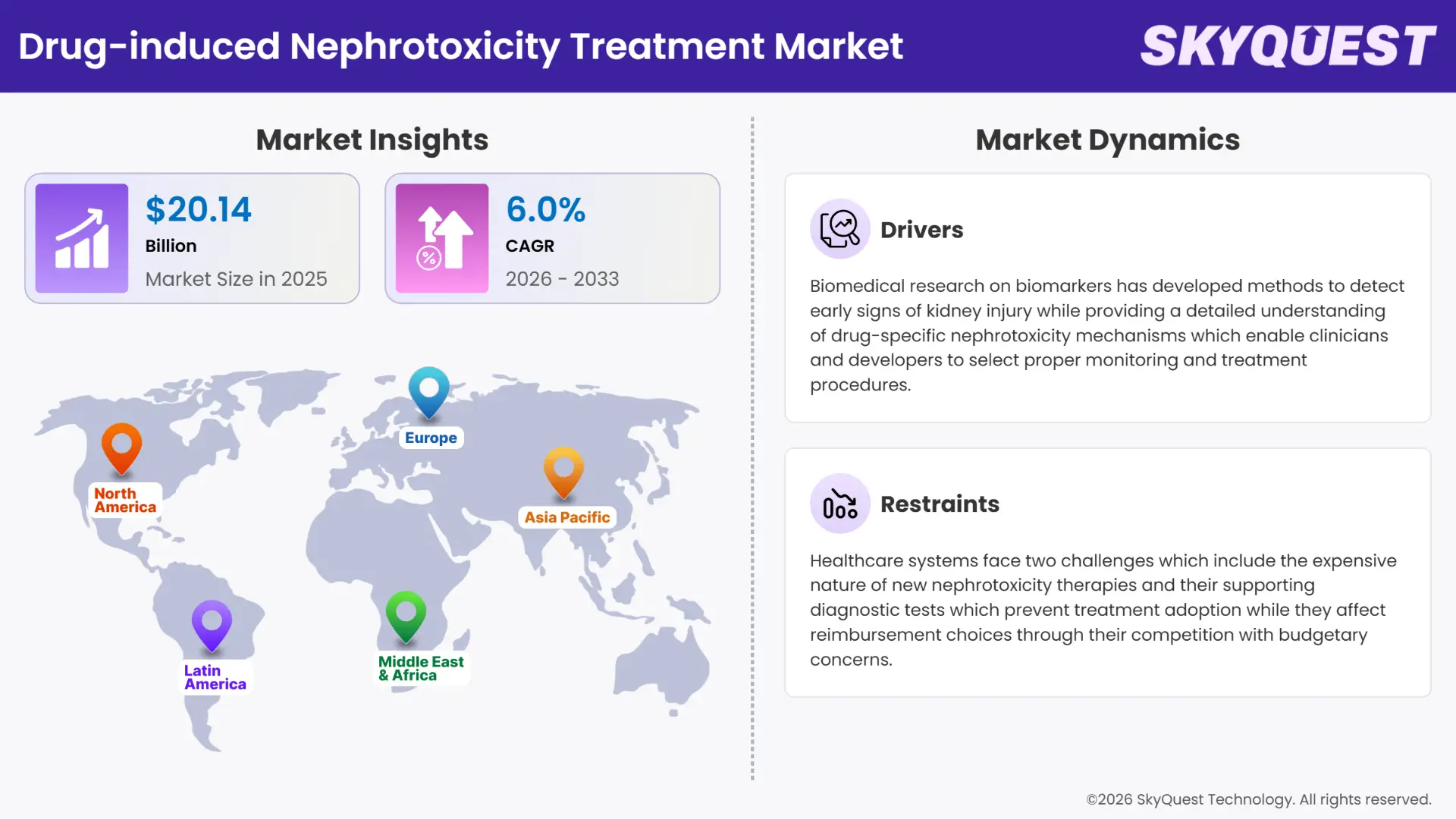
Global Drug-Induced Nephrotoxicity Treatment Market size was valued at USD 19.00 Billion in 2024 and is poised to grow from USD 20.14 Billion in 2025 to USD 32.10 Billion by 2033, growing at a CAGR of 6.0% during the forecast period (2026-2033).
Key Takeaways: Market Trends & Insights
The global drug induced nephrotoxicity treatment sector operates to treat kidney damage caused by drugs through its complete range of services which includes diagnostic tests and protective treatment methods and renal replacement therapy and monitoring solutions. The situation matters because acute kidney injury from medications results in higher patient suffering and prolonged hospital stays and increased medical expenses, which drives both doctors and insurance companies to pursue methods for preventing these events.
Moreover, the global drug induced nephrotoxicity treatment market outlook developed from its original focus on supportive care and dialysis to encompass biomarker driven diagnostics and dose optimization software and nephroprotective products because amphotericin reduced kidney damage while doctors became aware of cisplatin toxicity through hydration protocols. The new advancements have expanded treatment options, provided paths for creating new products, and drawn international funding for business ventures. The main reason for business growth stems from early detection through biomarker and monitoring technologies because doctors can use timely renal injury identification to start treatment before permanent harm takes place. When clinicians receive testing results for neutrophil gelatinase associated lipocalin or KIM 1 which indicate need for antibiotic dose reduction or suspension, they can stop dialysis need and shorten hospital time which makes hospitals want to fund point of care testing and risk assessment software. The oncology regimens that require patients to protect their kidneys from damage create demand for nephroprotective agents and formulary placement, while the regulatory focus on patient safety combined with cost reduction needs drives market expansion and pharmaceutical adoption.
How is AI Improving Early Detection in the Drug-induced Nephrotoxicity Treatment Market?
AI technology now enables better early identification of drug-induced kidney damage by combining predictive models and clinical data with novel biomarkers to detect kidney risk before permanent damage happens. Key aspects include laboratory trend integration with electronic health records and molecular screening together with explainable machine learning that reveals the probable mechanisms responsible for causing injuries. The current state combines academic proof of concept tools with clinical software development that helps to enhance drug safety assessments through timely intervention. The system makes treatments safer through its ability to track everything from candidate molecules to bedside alerts, which prompts dose adjustments and monitoring. Roche, in October 2025, introduced an AI-based kidney risk algorithm which received regulatory approval and enables early detection of patients who face drug-related kidney damage. The innovation streamlines clinical processes while diagnostic-driven management increases adoption, which leads to both market growth and improved treatment results.
To get more insights on this market click here to Request a Free Sample Report
The global drug-induced nephrotoxicity treatment market is segmented by therapeutic class, etiology or drug-trigger focus, management stage, end-user, and region. Based on therapeutic class, the market is divided into ACE inhibitors and ARBs, antioxidants and cytoprotective agents, as well as diuretics and electrolyte management therapies. In terms of etiology or drug-trigger focus, it is categorized into antibiotic-induced nephrotoxicity, contrast-induced nephropathy, chemotherapy-induced cases, and NSAID-related kidney management. By management stage, the market includes preventive or prophylactic therapy, acute kidney injury (AKI) intervention, and the chronic recovery phase. Based on end-user, the segmentation covers in-patient nephrology units, specialized dialysis centers, and diagnostic imaging centers. Geographically, the market is segmented into North America, Europe, Asia Pacific, Latin America, and the Middle East & Africa.
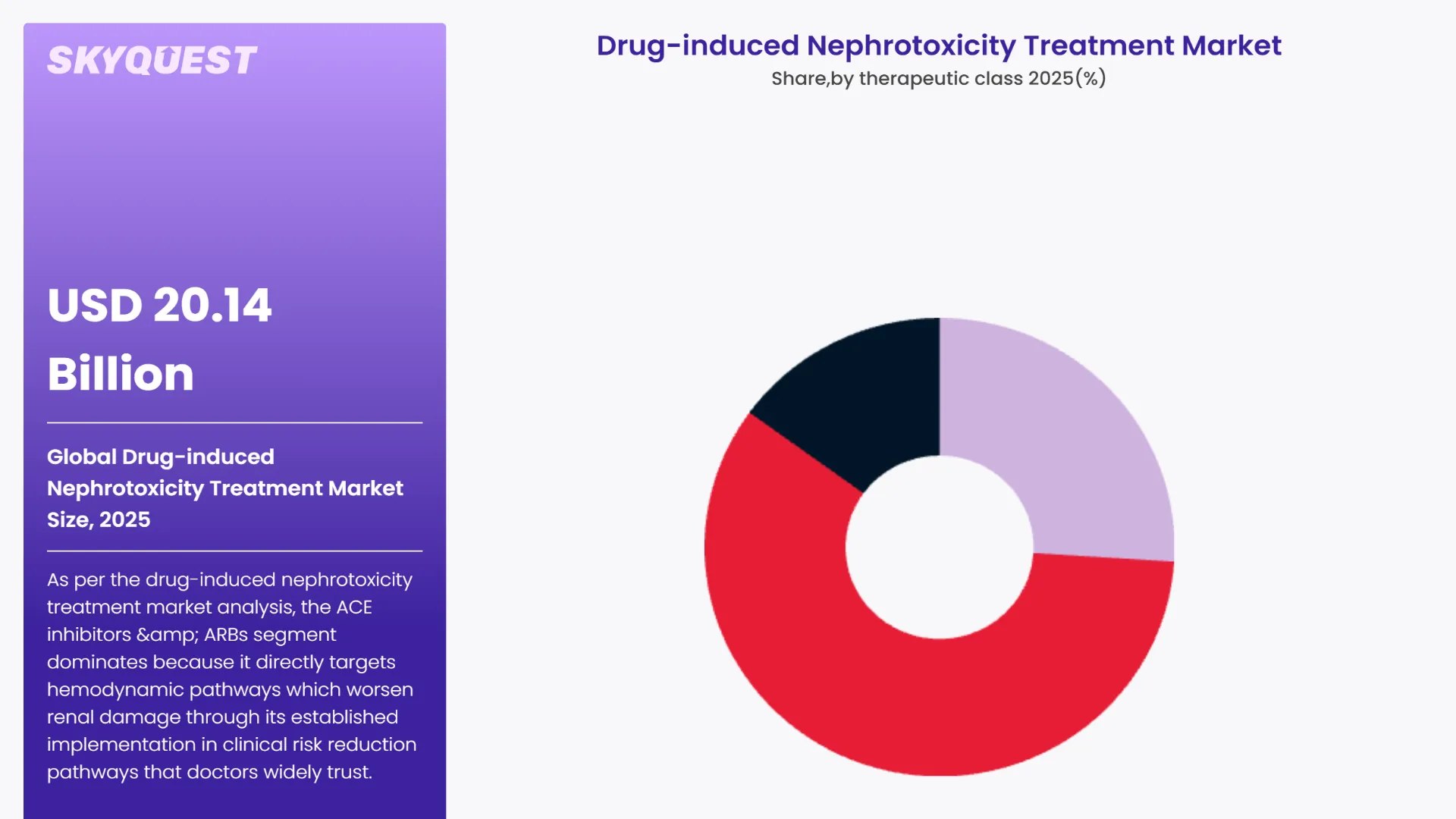
As per the drug-induced nephrotoxicity treatment market analysis, the ACE inhibitors & ARBs segment dominates because it directly targets hemodynamic pathways which worsen renal damage through its established implementation in clinical risk reduction pathways that doctors widely trust. The established agents provide predictable pharmacological effects which match treatment guidelines, which leads to their inclusion in formularies and doctors prescribing them according to established patterns, which drives research and commercial growth for these established agents.
However, the antioxidants & cytoprotective agents currently represent the fastest growing therapeutic field because their targeted cellular defense functions and regulatory body interest in preventive compounds have spurred their progress. The clinical programs expand with new combination therapies while suppliers create innovative delivery systems, which together drive market growth through new product development.
According to the drug-induced nephrotoxicity treatment market forecast, the contrast-induced nephropathy segment leads the market because its direct relationship with imaging procedures drives medical practice toward prevention through established protective measures and specialized treatment pathways. The risk from imaging creates multiple opportunities for hospitals to intervene, which leads to the development of clinical guidelines that payers and suppliers will recognize and direct their financial resources toward renal risk management solutions.
Whereas the chemotherapy-induced nephrotoxicity segment is predicted to have the largest drug-induced nephrotoxicity treatment market share because expanding oncology treatment programs leads to greater exposure risks from nephrotoxic medications while patients require kidney-saving treatment options. The market for nephroprotective adjuncts and integrated oncology-nephrology clinical pathways and supportive care regulations experience rapid product development because these factors create various new business opportunities throughout the treatment continuum.
To get detailed segments analysis, Request a Free Sample Report
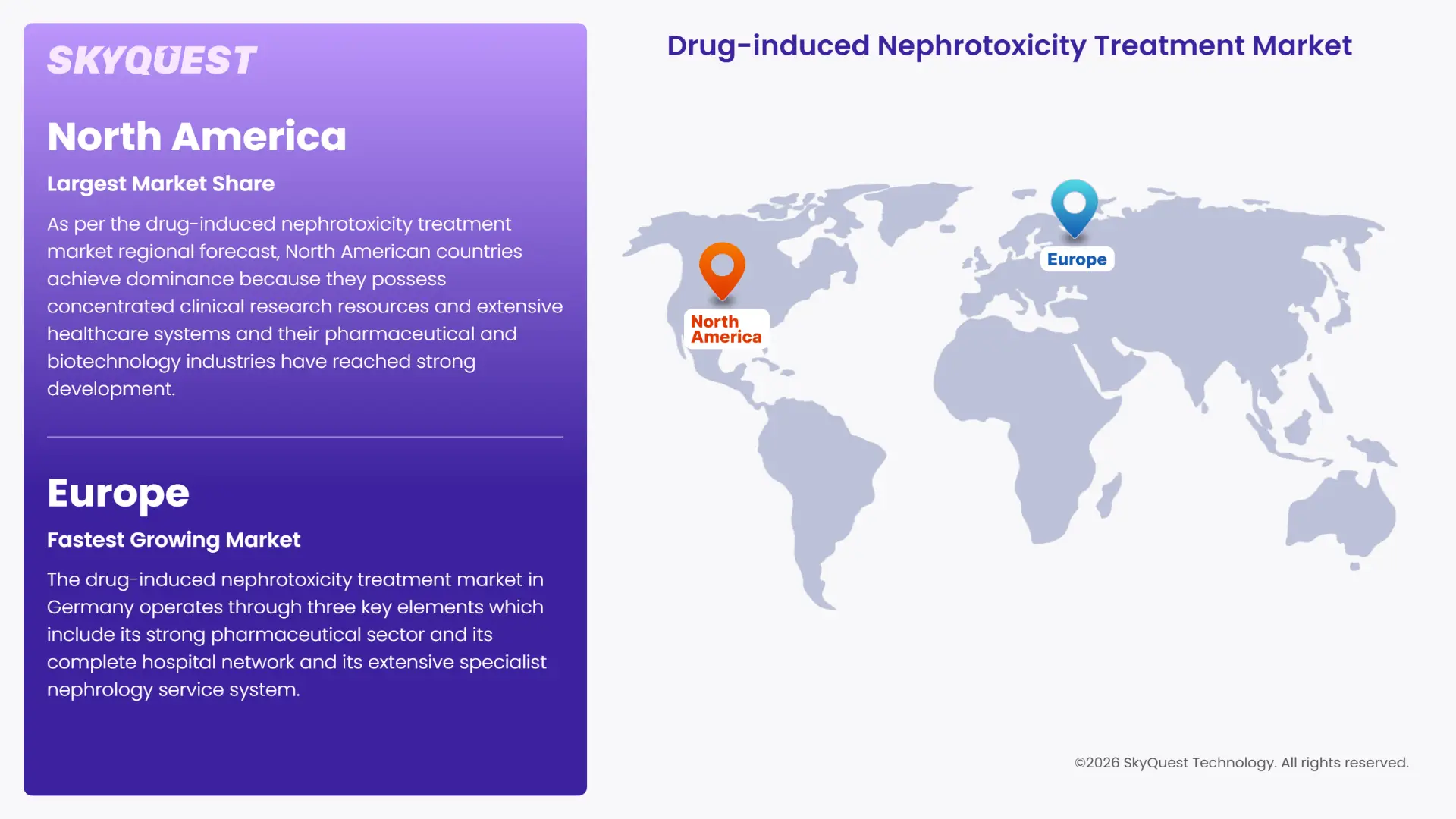
As per the drug-induced nephrotoxicity treatment market regional forecast, North American countries achieve dominance because they possess concentrated clinical research resources and extensive healthcare systems and their pharmaceutical and biotechnology industries have reached strong development. The diagnostic networks which operate at high capacity and the widespread use of evidence-based treatment protocols enable medical professionals to detect and treat drug-induced kidney damage from the start of the process. The payer systems which establish reimbursement systems for new medical treatments together with their proactive regulatory work and their numerous active clinical research studies enable the quick implementation of fresh medical solutions. Academic centers work together with industry leaders and specialist societies to create medical guidelines which medical professionals use to maintain their understanding of nephrotoxic dangers and available treatment methods. The established distribution networks together with their strong post market surveillance systems provide doctors with confidence while enabling patients to receive treatment.
The United States drug-induced nephrotoxicity treatment sector shows national strength because it supports therapy research through its top research institutions and advanced nephrology facilities and strong industry funding. The established referral networks together with high clinician awareness and comprehensive diagnostics create an environment which supports early detection and management. The combination of academic and clinical and commercial partners establishes the foundation for fast guideline integration which leads to fast adoption of innovative therapies. This system establishes the United States as the key nation which drives development of treatment protocols and international medical standards while assisting doctors to build their professional relationships.
The Canadian drug-induced nephrotoxicity treatment market operates through its public health system connections which create an integrated system together with its nephrology network coordination and its patient safety focus. The provincial centers of excellence together with their cooperative clinical programs establish better systems for early diagnosis and comprehensive treatment of patients. Healthcare providers and academic researchers, and industry partners work together to create real-world evidence which matches clinical standards. This evidence leads to better care pathways and access to specialized treatment methods.
The European drug-induced nephrotoxicity treatment market expands through a combination of strong clinical capabilities and effective healthcare systems and supportive policies which enable doctors to diagnose and treat drug-induced nephrotoxicity cases. The established hospital networks together with their specialized nephrology facilities enable fast implementation of evidence-based medical procedures. The European region implements two systems which establish medical research centers that create medical products and two systems which handle regulatory matters. The combination of pharmacovigilance and patient safety requirements and guideline practice protocols establish new medical standards which increase medical practitioners' need for precise treatment options. The European market for nephrotoxicity treatment has grown into a vibrant and powerful market because of the growing diagnostic investments and collaboration between public institutions and industry partners.
The drug-induced nephrotoxicity treatment market in Germany operates through three key elements which include its strong pharmaceutical sector and its complete hospital network and its extensive specialist nephrology service system. The medical field establishes advanced standards through its clinical research system and its strict pharmacovigilance operations and its organized reimbursement system which allows for quick adoption of targeted treatments. The collaboration between universities and clinical centers and industry leads to the creation of medical guidelines which drive healthcare delivery. The treatment system makes medical professionals available for patient treatment from basic healthcare centers all the way to specialized hospitals.
Doctors in the United Kingdom use digital health tools and clinical networks and commissioning systems which help them find and treat patients more quickly. The combination of electronic health records and remote monitoring systems enables medical professionals to detect nephrotoxicity cases in patients. The partnership system between academic centers and biotech innovators and health services establishes a pathway which enables medical professionals to assess new therapies. The training of medical staff together with national programs establishes a delivery system which enables medical professionals to treat patients consistently throughout all medical facilities.
The French drug-induced nephrotoxicity treatment market trends develops through better research partnerships and increased medical professional knowledge and financial support for nephrology centers which help doctors diagnose and treat patients efficiently. The national government conducts systematic reporting of pharmacovigilance information which helps develop Patient safety guidelines. Public hospitals and research institutions, and innovative companies connect their resources. They work together to conduct clinical tests on therapy methods. They also create pilot programs which will combine diagnostics and treatments with patient care pathways in specific locations.
Asia Pacific enhances its territorial control through improvements in clinical services, increased pharmaceutical and biotechnology partnerships, and strategic funding towards diagnostic and monitoring systems that enhance drug-related kidney injury detection and treatment. The increase in clinical research activities together with improved regulatory interactions enables the assessment of local treatment methods and the implementation of worldwide medical innovations in regional healthcare systems. The growing partnership between international industry sponsors and regional research centers enables research facilities to acquire new technologies while developing their operational abilities. The combination of expanding digital health tool usage and point of care diagnostic devices leads to early medical interventions, while government regulations dedicated to patient safety and pharmacovigilance raise medical professionals' awareness about nephrotoxicity and these developments help the region become a more powerful market participant. Manufacturing capacity improvements together with supply chain network development help deliver medical treatments more efficiently, while local training initiatives and public private partnership programs develop expert knowledge that drives long term market development.
The Japanese drug-induced nephrotoxicity treatment market penetration relies on its advanced medical research facilities, advanced testing methods, and its strong pharmaceutical industry which focuses on safety and drug development progress. Hospital-based nephrology networks and specialized centers enable precise assessment and management of drug related kidney injury. The clinical evaluation process together with clinical guideline development receives acceleration from simultaneous work between regulatory authorities, academic institutions, and industry, while personalized medicine research and biomarker development approaches enhance decision making results.
The South Korean drug-induced nephrotoxicity treatment market growth through three forces which include biotechnology research developments, hospital-based medical research networks, and digital monitoring systems which improve drug-related kidney damage detection capabilities. Government support for clinical research and collaborative programs bolster local evaluation of therapeutics. Industry professionals and academic centers together with clinicians have created active work environments which help them introduce new diagnostic tools and specialized treatment methods into their everyday medical operations.
To know more about the market opportunities by region and country, click here to
Buy The Complete Report
Advances In Biomarker Research
Expansion of Targeted Therapies
High Cost of Novel Therapies
Fragmented Regulatory Approval Processes
Request Free Customization of this report to help us to meet your business objectives.
The global drug-induced nephrotoxicity treatment market shows competition because companies own platform rights and present different clinical solutions through their partnerships and technological acquisitions and their technology licensing agreements. BridgeBio and Maze Therapeutics established a joint venture while Mitsui Chemicals invested in Rege Nephro to develop kidney targeted delivery systems and organoid platforms which teams use to gain market advantage.
SkyQuest’s ABIRAW (Advanced Business Intelligence, Research & Analysis Wing) is our Business Information Services team that Collects, Collates, Correlates, and Analyses the Data collected by means of Primary Exploratory Research backed by robust Secondary Desk research.
As per SkyQuest analysis, the first driver consists of biomarker and monitoring technologies which enable doctors to detect diseases earlier and treat them at the appropriate time, while the second driver emerges from the growing need for protective treatments which targeted therapies create. The high expense of new treatments and their required diagnostic tests create a barrier that prevents some patients from receiving treatment. North America represents the largest market because it maintains both extensive research capabilities and advanced healthcare infrastructure, while ACE Inhibitors & ARBs control the market because they function as guideline-based risk-reduction strategies. The market exhibits sustained growth potential which the dual factors of pricing challenges and regulatory hurdles restrict.
| Report Metric | Details |
|---|---|
| Market size value in 2024 | USD 19.00 Billion |
| Market size value in 2033 | USD 32.10 Billion |
| Growth Rate | 6.0% |
| Base year | 2024 |
| Forecast period | 2026-2033 |
| Forecast Unit (Value) | USD Billion |
| Segments covered |
|
| Regions covered | North America (US, Canada), Europe (Germany, France, United Kingdom, Italy, Spain, Rest of Europe), Asia Pacific (China, India, Japan, Rest of Asia-Pacific), Latin America (Brazil, Rest of Latin America), Middle East & Africa (South Africa, GCC Countries, Rest of MEA) |
| Companies covered |
|
| Customization scope | Free report customization with purchase. Customization includes:-
|
To get a free trial access to our platform which is a one stop solution for all your data requirements for quicker decision making. This platform allows you to compare markets, competitors who are prominent in the market, and mega trends that are influencing the dynamics in the market. Also, get access to detailed SkyQuest exclusive matrix.
Table Of Content
Executive Summary
Market overview
Parent Market Analysis
Market overview
Market size
KEY MARKET INSIGHTS
COVID IMPACT
MARKET DYNAMICS & OUTLOOK
Market Size by Region
KEY COMPANY PROFILES
Methodology
For the Drug-induced Nephrotoxicity Treatment Market, our research methodology involved a mixture of primary and secondary data sources. Key steps involved in the research process are listed below:
1. Information Procurement: This stage involved the procurement of Market data or related information via primary and secondary sources. The various secondary sources used included various company websites, annual reports, trade databases, and paid databases such as Hoover's, Bloomberg Business, Factiva, and Avention. Our team did 45 primary interactions Globally which included several stakeholders such as manufacturers, customers, key opinion leaders, etc. Overall, information procurement was one of the most extensive stages in our research process.
2. Information Analysis: This step involved triangulation of data through bottom-up and top-down approaches to estimate and validate the total size and future estimate of the Drug-induced Nephrotoxicity Treatment Market.
3. Report Formulation: The final step entailed the placement of data points in appropriate Market spaces in an attempt to deduce viable conclusions.
4. Validation & Publishing: Validation is the most important step in the process. Validation & re-validation via an intricately designed process helped us finalize data points to be used for final calculations. The final Market estimates and forecasts were then aligned and sent to our panel of industry experts for validation of data. Once the validation was done the report was sent to our Quality Assurance team to ensure adherence to style guides, consistency & design.
Analyst Support
Customization Options
With the given market data, our dedicated team of analysts can offer you the following customization options are available for the Drug-induced Nephrotoxicity Treatment Market:
Product Analysis: Product matrix, which offers a detailed comparison of the product portfolio of companies.
Regional Analysis: Further analysis of the Drug-induced Nephrotoxicity Treatment Market for additional countries.
Competitive Analysis: Detailed analysis and profiling of additional Market players & comparative analysis of competitive products.
Go to Market Strategy: Find the high-growth channels to invest your marketing efforts and increase your customer base.
Innovation Mapping: Identify racial solutions and innovation, connected to deep ecosystems of innovators, start-ups, academics, and strategic partners.
Category Intelligence: Customized intelligence that is relevant to their supply Markets will enable them to make smarter sourcing decisions and improve their category management.
Public Company Transcript Analysis: To improve the investment performance by generating new alpha and making better-informed decisions.
Social Media Listening: To analyze the conversations and trends happening not just around your brand, but around your industry as a whole, and use those insights to make better Marketing decisions.
REQUEST FOR SAMPLE
 REQUEST FREE CUSTOMIZATION
Global Drug-Induced Nephrotoxicity Treatment Market size was valued at USD 19.0 Billion in 2024 and is poised to grow from USD 20.14 Billion in 2025 to USD 32.1 Billion by 2033, growing at a CAGR of 6.0% during the forecast period (2026-2033).
Competition in the global drug induced nephrotoxicity treatment market is driven by platform ownership and clinical differentiation, with firms using joint ventures, strategic investments and technology licensing to secure kidney targeted delivery and screening capabilities; notable moves include BridgeBio’s joint venture with Maze Therapeutics and Mitsui Chemicals’ strategic investment in Rege Nephro, while emergent teams push kidney targeted delivery and organoid platforms for competitive edge. 'Amgen Inc.', 'Pfizer Inc.', 'Bristol-Myers Squibb Company', 'GSK (GlaxoSmithKline)', 'Johnson & Johnson', 'Merck & Co., Inc.', 'Astellas Pharma Inc.', 'Novo Nordisk A/S', 'Eli Lilly and Company', 'Novartis AG', 'Sanofi S.A.', 'AstraZeneca PLC', 'Biogen Inc.', 'Teva Pharmaceutical Industries Ltd.', 'AbbVie Inc.', 'Takeda Pharmaceutical Company Limited', 'Regeneron Pharmaceuticals, Inc.', 'Vertex Pharmaceuticals Incorporated', 'Ipsen S.A.', 'Mallinckrodt plc'
Advances in biomarker research have enabled earlier identification of kidney injury signals and a clearer understanding of drug specific nephrotoxicity mechanisms, allowing clinicians and developers to tailor monitoring and therapy selection. This progress supports the development and adoption of targeted interventions and diagnostic guided treatment pathways, enhancing clinical confidence in managing adverse renal effects. As a result, healthcare providers are more likely to integrate specialized therapeutics and companion diagnostics into care protocols, which drives demand for effective treatments and stimulates investment in related research and commercial development.
Biomarker-Guided Personalization: Growing adoption of validated renal biomarkers enables earlier detection and stratification of drug-induced injury, permitting clinicians to tailor dosing and therapy selection to individual risk profiles. Companion diagnostics and translational research link pharmacology to patient biology, reducing empiric approaches and improving safety monitoring. This personalization fosters collaborations between pharmaceutical developers, diagnostic firms, and healthcare providers, accelerating targeted therapeutic strategies and promoting investment in precision tools that can mitigate nephrotoxicity while maintaining therapeutic efficacy across diverse patient populations and regulatory alignment.
North America Dominate the Global Drug-induced Nephrotoxicity Treatment Market.
The ACE Inhibitors & ARBs segment currently dominates the market due to its established role in reducing renal damage risk, strong clinical acceptance, and inclusion in treatment guidelines.
The chemotherapy-induced nephrotoxicity segment is witnessing rapid growth as expanding oncology treatment programs increase patient exposure to nephrotoxic drugs, creating demand for kidney-protective therapies and monitoring solutions.
AI is improving early detection of drug-induced kidney injury by integrating electronic health records, biomarkers, and predictive analytics, enabling clinicians to identify high-risk patients and intervene before severe damage occurs.


Want to customize this report? This report can be personalized according to your needs. Our analysts and industry experts will work directly with you to understand your requirements and provide you with customized data in a short amount of time. We offer $1000 worth of FREE customization at the time of purchase.
Feedback From Our Clients


 USA (+1) 351-333-4748

